

Every spin, card shuffle, and bonus trigger at Rooli Casino app is based on systems designed to produce unforeseeable outcomes. We view RNGs not as abstract maths, but as the cornerstone of whether a game is honest and worth playing. In this guide, we clarify what these generators do, how they are tested, and where they are used across slots, table games, and specialty titles.
Why RNGs Are Crucial Before You Place a Bet
A random number generator is the system that determines which symbols land, which card appears, or which multiplier ends a crash round. If the output is not sufficiently random, the game cannot be considered reliable. That matters before you deposit because fair RNG behaviour secures both the player and the operator. A defective or manipulated generator would turn a game into a hidden liability rather than a transparent wager.
RNGs do not promise that you win. They guarantee that each event has a specific probability and that no pattern should be exploitable in the long run. For a player, this means results should mirror a long series of independent events. For a reviewer like us, RNG fairness is the first criterion before we evaluate bonuses, game variety, or withdrawal speed at Rooli Casino.
Reel games and RNGs: What Alters As Reels Spin
In an online slot, the RNG chooses a number for each spin and the game software maps that number to reel positions. The reels themselves are visual depictions. They do not have momentum or memory. Whether a slot has cascading symbols, Megaways mechanics, or bonus buy options, the core random selection still occurs before the animation begins. That design is standard across the slots category at Rooli Casino.
Bonus features such as free spins, pick-me rounds, and jackpot triggers are also governed by the same number stream or a separate generator. A near-miss on the reels does not mean a feature is close. Each spin is an independent event. We seek slots from established studios because their RNG integration has already passed multi-jurisdictional testing. Lesser-known titles can still be fair, but the audit trail is often harder to verify.
Promotions and Playthrough: Where RNG Talk Meets Rules
A introductory deal at Rooli Casino could contain a deposit match, free spins, or a mix of both. The precise percentages, maximum amounts, and qualifying games shift frequently. We don’t regard a bonus as reasonable if not its terms are available before the player opts in. RNG fairness is only meaningful if wagering requirements fail to make the bonus practically unfeasible to transform into withdrawable cash.
Wagering requirements tell you how many times you must wager the bonus or deposit before withdrawal. For instance, a 35 times playthrough on a bonus is average for slots, but steep for table games. Many online casino bonuses, including standard offers at Rooli Casino, implement different game weightings. Slots often represent 100 percent, while blackjack or roulette may account for less or be excluded. We always review this because it changes the real value of the offer.
Time limits and maximum bet rules also correlate with RNG games. A maximum bet during a bonus blocks players from placing large wagers and completing the requirement with a few lucky outcomes. Expiry periods force activity but can be fair if clearly stated. Before claiming a Rooli Casino bonus, we review the promotion page and terms page for any game restrictions, payment exclusions, and withdrawal caps.
What Rooli Casino Provides to Help You Evaluate Fairness
Rooli Casino sorts its library into well-defined categories: slots, table games, live dealer, crash or instant games, and maybe a sportsbook or betting section depending on the region. We look for this organisation because it helps players compare games from different studios and find the available RTP or rules information. A tidy homepage with provider filters is more beneficial than a lengthy list of titles lacking context.
Licensing and security details ought to be displayed in the footer or on a specific policy page. Responsible operators list their regulator, registration number, and the security standard applied to secure payments. We do not rely on a padlock icon alone. Encryption is significant, yet it is unrelated to RNG fairness. The operator ought to also offer responsible gambling tools like deposit limits, session reminders, and self-exclusion. These controls do not affect randomness, but they support safer play.
Where to Locate the Important Details
Our first stop is the official Rooli Casino website and its terms area. We examine the current welcome bonus, its wagering requirements, the payment options offered, and any country restrictions. We also search for game provider names like NetEnt, Pragmatic Play, Evolution, or comparable studios. When a casino openly lists its providers, we can cross-reference certification statements on the provider’s official website. That independent trail is more valuable than a promotional guarantee.
True Randomness vs Algorithmic Randomness
Genuine random numbers come from physical processes that are fundamentally unpredictable, such as radioactive decay, thermal noise, or atmospheric interference. Algorithmically generated numbers come from an algorithm and are reproducible in theory. In actual casino use, the distinction matters less than the quality of the generator and its testing. A properly constructed PRNG can be indistinguishable from true randomness for game purposes.
The Role of the Seed
A seed is the starting point for a pseudorandom sequence. If someone knew the specific seed, the algorithm, and the current position in the sequence, they could predict the next number. That is why game producers update seeds periodically and merge several entropy sources. In certified games, the seed management process is evaluated in security testing, not left to chance.
Why Forecasting Is Not Feasible
Even with understanding of a PRNG algorithm, a player cannot see the internal state from outside the game. The numbers are generated far faster than the visible game rounds, and outputs are not displayed until after the game event. As a result, anticipating the next spin or crash point is not a practical approach. When players claim to see patterns, they are usually detecting normal variance, not a flaw in the RNG.
The Real Mechanism Behind RNGs
The majority of digital casino games employ a pseudorandom number generator, or PRNG. It starts from an initial value called a seed and carries out mathematical operations to produce a long stream of numbers. Because the process is deterministic, the same seed would yield the same sequence. Operators and game developers avoid this weakness by using constantly changing seed material, such as system entropy or hardware noise.
The output values are typically large integers, often changed into a range from zero to one or mapped onto reel positions, card values, or wheel segments. The exact mapping is part of the game design. Well-known PRNG algorithms feature the Mersenne Twister and cryptographically secure generators. Both can work for casino games if implemented correctly and reseeded frequently. What players observe on screen is only the final representation of this hidden number stream.
Mobile Functionality and System Stability
RNG behaviour remains unchanged because you play on a smartphone, tablet, or desktop. The game server or certified client performs the same number generation irrespective of screen size. What changes is the user interface, touch controls, and connection stability. A broken mobile layout can create confusion about whether a spin registered, but it does not alter the underlying odds. Rooli Casino should offer a responsive site or app that maintains the game state clear.
A dropped connection during a round could be stressful. In most certified games, the result is already determined server-side, so reconnecting will display the completed outcome. We prefer casinos that display round history and let you to check previous results after a disconnection. This reduces the suspicion that a lost connection somehow erased a win. Mobile reliability is therefore part of the overall fairness experience, even though the RNG itself is unchanged.
Frequent RNG Myths That Lose Players Money
The most costly myth is that a slot turns due after a losing streak. In an independent RNG game, past results never move the probability forward. A slot with a one-in-100 feature rate still has about a one-in-100 chance on each spin, regardless of the previous 300 spins. Believing otherwise can lead to larger bets and longer sessions. We call this the gambler’s fallacy, and it has no basis in certified RNG design.
Another misconception is that bet size changes the RNG. It can change the payout multiple, but the underlying random selection is the same. A higher stake does not unlock better odds or force a bonus. Similarly, stopping the reels early, changing speed, or playing at a certain time of day does not influence the outcome. The result is generated independently of these inputs. Acknowledging this keeps your bankroll decisions based on facts rather than ritual.
Digital Table Games and Real-Time Dealer: Two Distinct Separate Approaches
Virtual table games at Rooli Casino, including virtual blackjack and roulette, employ RNGs to determine cards or numbers. A shuffled deck is replaced by an algorithm that maps each possible card to a random output. The mechanics of the game stay the same, but the source of randomness is computational rather than physical. This allows fast play and lower minimum stakes than many live tables.
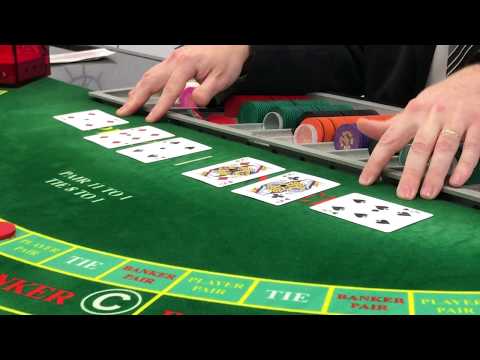
Real-time dealer games use physical cards, wheels, and balls. The randomness derives from mechanical action and dealer procedure, not from a software generator. Live games are continuously monitored, but the fairness model is separate. Players who like visible randomness may opt for live roulette or blackjack. Players who want speed and reliability may favor the RNG versions. Both are legitimate; they just cater to different player preferences.
Explosion and Unique Games: RNG Under Pressure
Burst games, immediate win titles, and virtual sports add a distinct layer to RNG use. In a crash game, the RNG may set a target multiplier at the commencement of the round. The climbing curve on screen is solely presentational. Because decisions happen swiftly and players can cash out manually, the fairness audit should cover both the generator and the synchronization of the user interface. A hold-up in display or a incorrect multiplier could be a critical issue.
Some unique games use provably fair methods, where the provider releases a hash ahead of the round and players can verify the result afterward. Some title at Rooli Casino is verifiably fair, and that is not a red flag. Approved RNG games remain the majority. We prefer when the casino clearly marks which titles use provably fair verification and which use standard lab certification, because that clearness assists players reach an educated choice.
Payment and Validation: The Operational Side of Honest Play
Payment methods at Rooli Casino commonly offer cards, e-wallets, prepaid vouchers, and bank transfers, with accessibility relying on the player’s region. Deposits are typically instant or near-instant. That speed is practical, but it also means you should set limits before playing. Fast deposits do not introduce fairness risk by themselves; however, a smooth cashier is only helpful if withdrawal options are equally clear.
Withdrawal times fluctuate by method. E-wallets often complete within 24 hours after approval, while cards may take one to five business days and bank transfers three to seven business days. The pending review period before approval can add time. We do not regard a casino as slow unless the pending period is opaque. The official Rooli Casino banking page or terms should specify the expected processing windows for each supported method.

Verification is a standard requirement before larger withdrawals. You may be required to submit identification, proof of address, and proof of the payment method. This process is not a penalty; it upholds anti-fraud and licensing duties. The key is whether the requests are appropriate and handled promptly. A casino with fair RNG games but poor verification practice can still annoy players. We search for clear guidance on what documents are needed and why.
Integrity Checks Around the RNG
Accredited testing laboratories audit casino games and their RNG implementations. These labs verify that outcomes are unpredictable, not replicable under normal play, and aligned with the stated return to player. For Rooli Casino, the active game certificates ought to be found through the game provider or the casino’s footer. A certificate is not a marketing badge; it is a specialist evaluation based on large sample testing.
Payback percentage, or RTP, is a statistical return percentage over millions of rounds. It does not describe one session. A slot with 96 percent RTP will not give back 96 percent of every deposit. It means the game is designed to retain roughly 4 percent of total wagers over a very long horizon. We always contrast a stated RTP with the certification scope to know which version of the game is actually available.
Understanding a Certificate
A game certificate usually identifies the game name, version, testing laboratory, and a reference number. It may also mention the tested RTP range and the date of evaluation. We do not treat a certificate as permanent. Game updates, new markets, or operator settings can affect how a title behaves. The most useful check is to confirm that the exact game version you play at Rooli Casino matches the certificate on the provider’s site.
Steps to Check RNG Fairness Yourself
Look at the casino footer. Find a license reference and a link to the regulator’s public register. When the license is valid, the operator has ongoing compliance duties. Next check the game provider’s certification page. The exact game title and version must match the one you play. Such a two-sided check is more trustworthy than reading a single certificate image on the casino’s homepage.
Try the demo mode before depositing. A fair RNG game should behave with normal variance, but a short demo will not prove fairness. The value of demo play is different: it lets you test the user interface, payout display, and feature triggers without risk. When features never seem to appear, do not assume the RNG is rigged. Rather, check the game’s volatility and bonus frequency in the official rules. High volatility naturally produces longer dry spells.
Conclusion: Understanding RNGs at Rooli Casino
Casino random number generators do not represent a mystery. They are technological systems that may be inspected, audited, and compared. At Rooli Casino, the real-world task is to verify that the operator supplies licensed games, straightforward bonus terms, accurate withdrawal information, and adequate detail to trace a game back to its provider. When such pieces are present, the RNG claims become credible rather than promotional.
We view RNG fairness as one part of a broader review. A game may be perfectly random and yet be a poor choice if wagering terms are harsh, withdrawals are unclear, or mobile play is unstable. The safest approach is to set a budget, verify the licence and game certificates, test the interface in demo mode, and read the current Rooli Casino promotion terms before depositing. That is the way we make sense of the numbers behind every spin.
